
From Waterholes to Weber: Why Human Coordination Breeds Charisma & Crap
Language evolved to get us.collectively, to the waterhole alive, more than to make each of us a little scientist. Our minds are bad Bayesians on purpose: herding, bullshit, and charismatic-obedience shortcuts are, I think, features of group life, not bugs. Collective intelligence, when it exists at all, is an emergent property of institutions and argument—not the wisdom of individual skulls added up. The necessity of coordination makes us gullible: easily grifted morons, as we see here in the United States in the form of today’s Republican Party…
Ah. With respect to <https://braddelong.substack.com/p/anthology-super-intelligence-thursday>: Emanuel Derman asks a very good question:
Emanuel Derman: <twitter.com/EmanuelDe…>: ‘In your history of societal evolution and language, how soon did lying and later total BS artistry appear?
My response:
This very good question is not one that I have any great answer to. But I think that you need to start with the problem of getting groups to act together under deep uncertainty. If you do so, then bullshitting, lying, and charismatic authority stop looking like aberrations and start looking like coordination technologies—with scary failure modes.
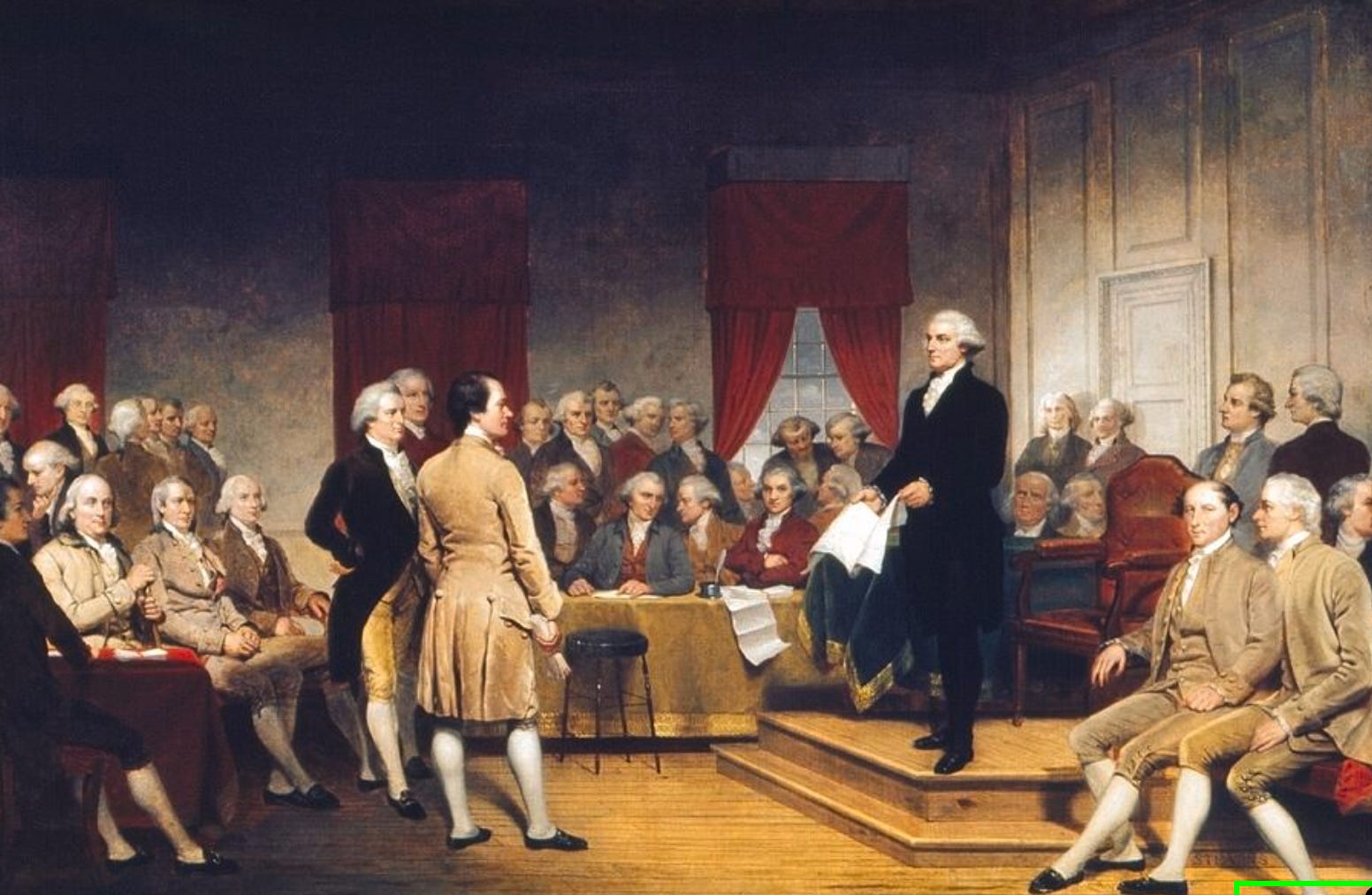
That is: I guess and am attracted to the idea that language is a mechanism for coordination as well as truth-telling. It is important that we have a common plan: we all need to go down to the waterhole at the same time, or the lions will eat us. And once you see language as a mechanism for coordination as well as or more than truth-telling, the potential for BS artistry emerges, and is enormous.
Hence we have the range of ideas and perspectives spanned by:
Hugo Mercier & Dan Sperber: human reasoning is primarily something we do with others to persuade and coordinate, not a solitary truth‑generation or truth distribution engine.
Melissa Schwartzberg: institutions and argument as ways of organizing disagreement and reaching workable decisions.
Michael Chwe: his Rational Ritual is about public language and ritual as devices for creating common knowledge about the focal points, so people can coordinate. The point of the speech/ritual is less truth‑telling than making it mutually evident what everyone is prepared to act on.
You thus arrive at the conclusion that individually and in small groups people are pretty lousy lone Bayesians precisely because “herding” in cognition keeps us all on the same page, which we really need to be. But then there is the hope that as we extend the argumentative frame and the size of the group, we can get to good enough common judgments. Truth-tracking happens, sometimes. And large groups working with public reason in the right institutional context can be very smart.